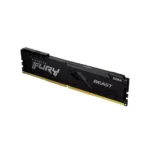
 Desktop Memories
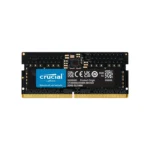 Laptop Memories
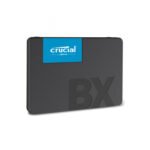 هاردات SSD
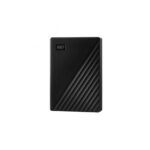 هاردات HDD


Complete Dexscreener Guide: Smart DEX Scanner Tips

Complete Dexscreener Guide: Smart DEX Scanner Tips
Содержание
If you want a central hub for scanning decentralized exchanges, start here: https://sites.google.com/uscryptoextension.com/dexscreener-official-trading/ This guide walks through why dexscreener and a good dex scanner matter, how to set things up, and what to watch for when you trade on-chain.
Why dexscreener Matters for DEX Traders
Dexscreener has become part of many traders’ daily workflow. It aggregates pools, shows live price action, and surfaces pairs across chains. If you trade on decentralized platforms, missing that one token before it pumps is painful. A nimble dex scanner helps you spot momentum, unusual volume, and tokens that just appeared. You can react faster when you have the right view. And that view is what dexscreener aims to offer.
Think about speed. On-chain markets move quickly. Orders execute in seconds and narratives shift just as fast. Dexscreener reduces the lag between on-chain events and your awareness. It does not replace research. Instead, it prioritizes signals and gives you filtered entry points so your follow-up analysis is focused and efficient.
dex screener download and setup
Installing tools and extensions is a common first step. Whether you prefer a web dashboard or a lightweight extension, the dex screener download process is usually straightforward. You do not need to install heavy software to get access to real-time pools and charts. For many users, a browser-based workflow is enough: open a tab, set your preferred networks, and pin a few token pairs.
When you set up a dex scanner, consider these quick setup choices:
- Choose networks – pick Ethereum, BSC, Polygon, or others depending on your focus.
- Set default slippage – keep this conservative when testing new tokens.
- Enable relevant alerts – volume spikes, rug-risk flags, or new liquidity pools.
- Customize chart layout – candlesticks, depth, and liquidity views matter.
These items may look trivial, but they shape the stream of signals you get. A clean setup reduces noise. Noise leads to lost opportunities or false alarms. Invest ten to twenty minutes in a thoughtful initial configuration and you will save hours later.
Core Features of dexscreener
Dexscreener packs a set of practical features that a busy trader appreciates. Live pair lists, quick charting, liquidity snapshots, transaction logs, and basic token analytics are all within reach. The platform often adds network support for chains where new activity appears, keeping it relevant. You can scan by volume, price change, or liquidity event to catch fast moves.
Below are features many traders rely on every session:
- Real-time price updates across multiple DEXs.
- Liquidity and pool visualization so you can assess slippage risk.
- Recent transactions and whale trades highlighted for quick review.
- Customizable filters to hone in on specific token attributes.
- Integration with explorer links for deeper on-chain research.
Among these, liquidity visualization is especially useful. It reveals whether a large order will crush the price or be absorbed. That single insight can change position size or even stop you from taking a trade.
dexscreener review – performance and reliability
A balanced dexscreener review looks at both uptime and data accuracy. From personal use and community feedback, the platform is generally fast and reliable for real-time monitoring. There are occasional latency spikes when markets are volatile. But overall, the feed remains consistent. Accuracy is tied to how quickly data propagates from various chains and DEX endpoints.
Performance also depends on the filters you run. If you subscribe to dozens of pairs across multiple networks, the dashboard can feel heavy. Narrowing focus helps. In practice, traders often keep a short watchlist for active assets and a secondary list for candidates under research. This split keeps the primary dashboard responsive.
Reliability matters when you place size-sensitive trades. The time between seeing a price and executing a swap can be the difference between profit and a frustrating failed transaction. Dexscreener tends to keep that gap small, but pairing it with a fast wallet and optimized settings is essential.
dex screener: alerts, filters, and charts
Alerts are where a dex scanner shifts from passive to proactive. You can configure notifications for large volume candles, sudden liquidity additions, or a token listing on a major DEX. Filters help you reduce noise: filter out tiny-marketcap tokens, ignore pairs with low liquidity, or focus on those with consistent on-chain flows. Charts provide the context. Candlesticks, moving averages, and VWAP-like overlays help validate signals before you act.
Here are practical alert rules traders set up:
- Volume spike > 300% relative to the 1-hour average.
- New liquidity pool created with > $5,000 initial deposit.
- Price change > 15% within 5 minutes.
- Wallet with > 1 ETH buys a token that recently listed.
Using alerts with filters cuts down on noise. You will still get false positives, but you will get fewer of them. Combine alerts with a simple checklist: check liquidity, check token contract, verify token ownership distribution. That checklist is a short routine that often prevents costly mistakes.
Charts deserve a longer look because they are interpretive. Candlesticks show immediate action. Volume bars show who is active. Depth charts hint at immediate slippage. Together they help you decide whether to scale in or skip the setup entirely.
Comparison: dexscreener vs Popular Alternatives
The ecosystem of dex scanners has several competitors, each with a different angle. Some focus on advanced analytics, others on social signals, and a few combine centralized and decentralized feeds. When comparing dexscreener against alternatives, consider speed, supported networks, user interface simplicity, and alert sophistication.
Here are some practical comparison points I use when switching between tools:
- How fast are new listings visible?
- Does the tool show liquidity depth per DEX or an aggregate?
- Is there built-in risk scoring for rug pulls or honeypots?
- Can you export data or connect to external bots via webhooks?
In many sessions I start with dexscreener for quick triage: which tokens are moving, where liquidity sits, and whether whale activity is present. Then I cross-check promising candidates on other platforms that offer on-chain metrics like token holder distribution or contract verification history. That two-step approach helps balance speed and depth.
Take a moment to think about your trading style. Are you a scalper who needs the fastest signals? Or a swing trader who values deeper on-chain checks? The right dex scanner adapts to your workflow rather than forcing you into a rigid process.
Below is a comparative table summarizing core differences and where dexscreener stands relative to general alternatives.
| Feature | Dexscreener | Alternatives |
|---|---|---|
| Real-time pair discovery | Very fast – multi-chain lists updated live | Varies – some delay on smaller chains |
| Liquidity visualization | Clear depth charts per DEX | Aggregate view or limited depth |
| Alerting and filters | Custom alerts for volume, listings, whales | Some offer advanced alerts, others basic |
| Supported networks | Wide – Ethereum, BSC, Polygon, and more |
Sign in
No account yet? Create an Account |